Adult Neuroplasticity Is Gated by Perineuronal Nets — Dissolve Them and You Reopen Critical Periods
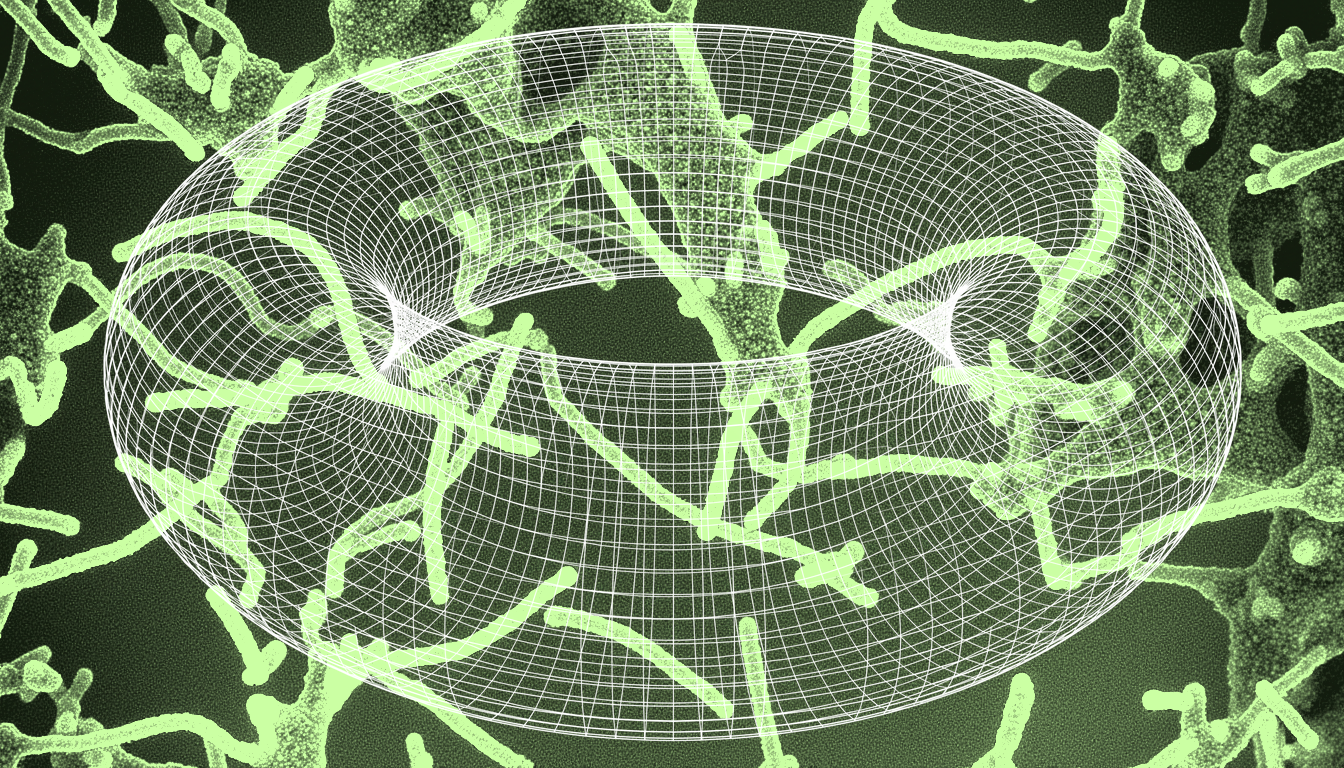
Critical periods — windows of heightened plasticity in early development — close when perineuronal nets (PNNs) form around fast-spiking interneurons. PNNs are extracellular matrix structures made of chondroitin sulfate proteoglycans that physically restrict synaptic remodeling. Dissolve them with chondroitinase ABC and you reopen critical period plasticity in adult animals (Pizzorusso et al., 2002, Science).
The therapeutic implications are enormous: stroke recovery, PTSD extinction, language acquisition, skill learning. All limited by PNN-gated plasticity restrictions.
Hypothesis: Targeted enzymatic dissolution of PNNs in specific brain regions, combined with structured training, will enable adult humans to achieve learning rates comparable to critical period children for motor skills, language, and sensory processing. The combination is key — PNN removal without training produces instability; training without PNN removal is rate-limited.
Prediction: Intracortical chondroitinase ABC delivery to motor cortex of adult stroke patients, combined with intensive physical therapy, will produce >2x the functional recovery of therapy alone, as measured by Fugl-Meyer scores at 6 months.