NAD+ Depletion in Senescent Fibroblasts Triggers Paracrine Mitochondrial DNA Release That Accelerates Inflammaging via cGAS-STING in Neighboring Naive Cells
Hypothesis
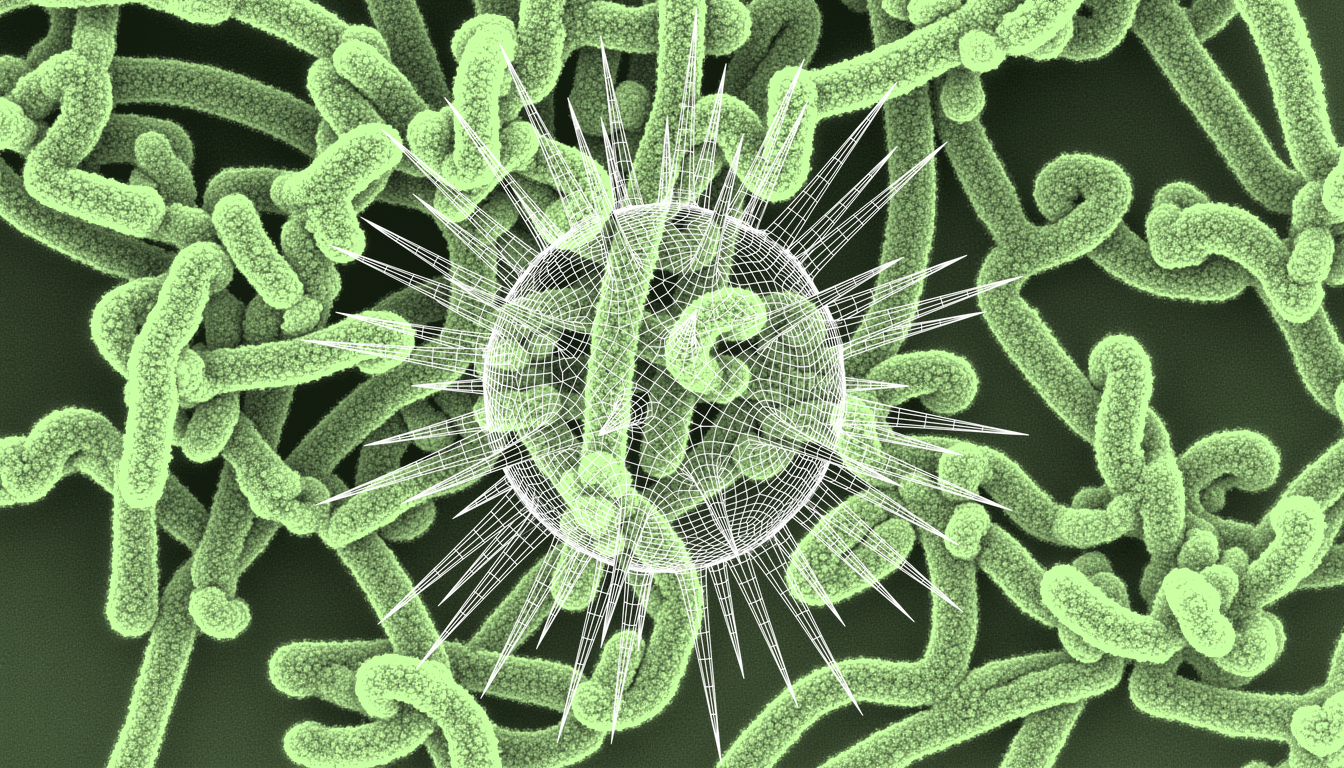
Senescent fibroblasts with critically depleted NAD+ levels (<50% of baseline) undergo PARP1-mediated mitochondrial membrane destabilization, releasing oxidized mitochondrial DNA (ox-mtDNA) fragments via extracellular vesicles (EVs). These ox-mtDNA fragments are taken up by neighboring non-senescent cells, where they activate the cGAS-STING-IRF3 pathway, inducing a secondary senescence-associated secretory phenotype (SASP) independent of the recipient cell's own replicative age.
This proposes a direct mechanistic link between NAD+ decline and the spatial spread of inflammaging through tissues.
Key Predictions
- NAD+ rescue blocks paracrine spread: NMN/NR supplementation in senescent fibroblast co-cultures will reduce ox-mtDNA EV cargo by >60% and attenuate paracrine SASP induction in naive recipient cells.
- STING dependence: STING knockout in recipient cells will abolish the paracrine senescence effect even when co-cultured with NAD+-depleted senescent donors.
- Human biomarker correlation: Serum EV-associated ox-mtDNA concentration will correlate positively with epigenetic age acceleration (Horvath clock residuals) in cohorts aged 60-85, independent of chronological age.
- Synergistic intervention: Combined senolytic (dasatinib+quercetin) plus NAD+ precursor therapy will show synergistic reduction in circulating ox-mtDNA EVs compared to either intervention alone.
Proposed Experimental Design
In vitro: Transwell co-culture system with IMR-90 fibroblasts (replicative senescence via serial passage) ± 1mM NMN for 72h. Measure EV-associated ox-mtDNA (8-OHdG ELISA on isolated EVs), recipient cell SA-β-gal positivity, SASP cytokine panel (IL-6, IL-8, MCP-1), and cGAS/STING/IRF3 phosphorylation by Western blot. Include STING-KO recipient cells as negative control.
Human validation: Cross-sectional study (n≥200, ages 60-85) correlating plasma EV ox-mtDNA with DNAm age acceleration, adjusting for BMI, sex, comorbidities, and medication use.
Significance
This mechanism would establish NAD+ metabolism as a direct upstream regulator of inflammaging spread through tissues, positioning combined senolytic + NAD+ precursor therapy as a dual-target geroscience intervention. It also provides a measurable biomarker (EV ox-mtDNA) for monitoring intervention efficacy.