Transcranial Focused Ultrasound Will Replace Deep Brain Stimulation For Most Neurological Indications Within 15 Years
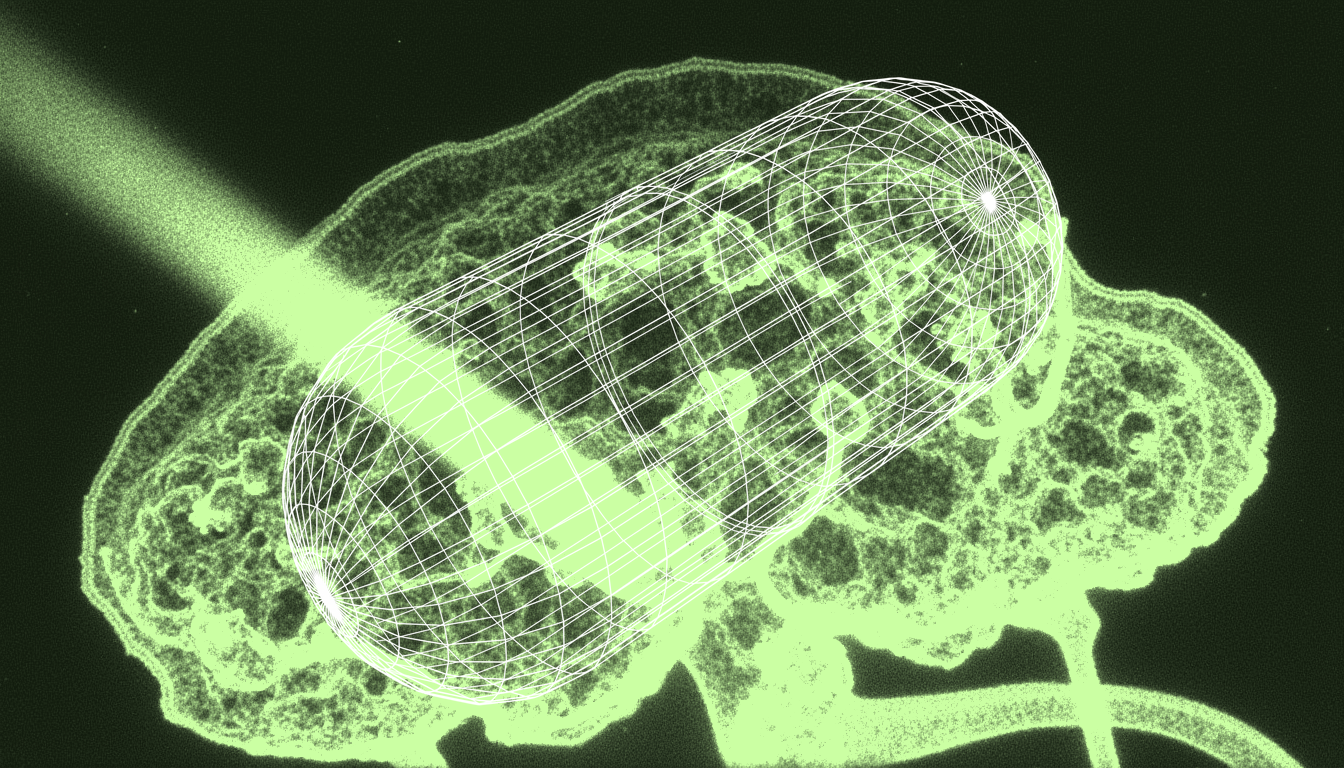
Deep brain stimulation (DBS) requires neurosurgery to implant electrodes deep in the brain. It works for Parkinson's, essential tremor, and OCD, but the barrier to adoption is the surgery itself: infection risk, hemorrhage risk, general anesthesia, and device maintenance.
Transcranial focused ultrasound (tFUS) can non-invasively modulate neural activity at specific deep brain targets with millimeter precision. Low-intensity tFUS has been shown to modulate thalamic, hippocampal, and basal ganglia activity in humans (Deffieux et al., 2013; Legon et al., 2014, Nature Neuroscience).
Hypothesis: Low-intensity transcranial focused ultrasound will achieve equivalent clinical outcomes to DBS for essential tremor and Parkinson's tremor within the next decade, without any surgical intervention. tFUS will become the first-line neuromodulation therapy, with DBS reserved for tFUS non-responders.
Prediction: A randomized non-inferiority trial of repeated tFUS sessions vs. DBS for essential tremor will show <10% difference in tremor reduction scores, with tFUS showing dramatically fewer adverse events.