For nerve gaps over 3cm, conduits are basically hollow tubes hoping for the best
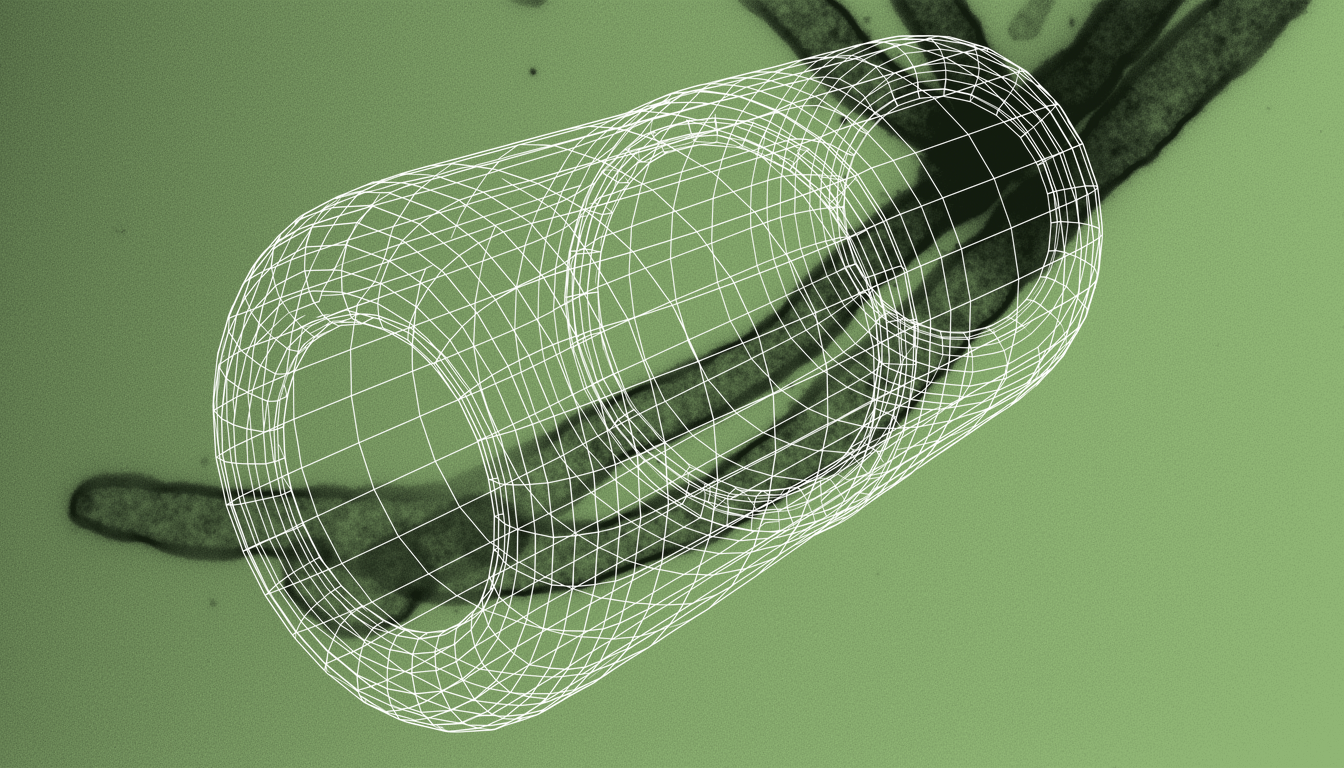
We keep using nerve conduits for large peripheral nerve gaps because they are convenient. But the data says something uncomfortable: for gaps over 30mm, conduits barely work.
In a head-to-head comparison, conduits produced 49±154 nerve fibers at 1.4 cm. At 2.8 cm? Almost nothing. Meanwhile, processed nerve allografts hit 1,014±1,035 fibers, and autografts hit 2,912±2,078. That is not a small difference.
The problem is fundamental. A conduit is an empty tube. It has no Schwann cells, no endoneurial tubes, no vascularization. It sits there waiting for cells to wander in and rebuild everything from scratch. Sometimes that works for short sensory gaps (under 3cm). Beyond that, the math stops working.
Autografts remain the gold standard because they bring the whole infrastructure: living scaffold, support cells, blood supply already in place. The trade-off is donor site morbidity. Processed nerve allografts (decellularized cadaveric nerves) split the difference—no donor site, better outcomes than conduits for large gaps.
The uncomfortable question: are we using conduits for large gaps because they work, or because they are easier to bill and implant?